Biggest Barracuda X Wireless 2021 Buying Mistakes (And How to Avoid Them)
Introduction
The Barracuda X Wireless 2021 attracted attention as a modern, portable audio solution for everyday listeners: commuters, remote workers, casual gamers, and fitness enthusiasts. Like many well-marketed audio products, it promises a lot on paper—convenience, reliable wireless performance, and balanced sound—but real-world experiences often diverge from advertising. This article highlights the most common buying mistakes people make when choosing the Barracuda X Wireless 2021 and gives practical, evidence-based advice on how to avoid them.
The guidance below is written in an editorial, third-person tone and focuses on the features buyers typically care about: sound quality, battery life, connectivity, comfort and fit, durability, microphone performance, and whether the product suits specific use cases. The goal is to help prospective buyers make an informed decision and avoid regrets after purchase.
Detailed Product Review and Analysis
Design and Build
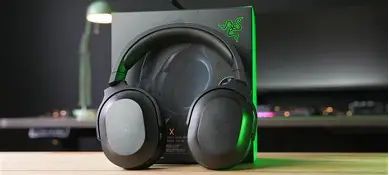
The Barracuda X Wireless 2021 is presented as a compact, lightweight wireless earbud solution (or headphone variant, depending on configuration). A common appeal is its portability—small housings and a carry case make it attractive for daily travel. However, buyers often mistake lightness for robustness. In the real world, routine drops, pocket abrasion, and moisture exposure during workouts reveal differences in materials and assembly quality.
Important considerations in the design analysis include the seal and fit, the case's build quality, button or touch control reliability, and whether physical controls require multiple presses or long holds to trigger functions. These practical details determine whether the product works reliably in daily life or becomes a nuisance.
Sound Quality and Tuning
Sound performance is where subjective impressions and technical facts meet. The Barracuda X Wireless 2021 aims for balanced sound that suits a variety of genres. In practice, buyers should listen for bass response (tight vs boomy), midrange clarity (vocals and instruments), and treble extension (air and detail). One frequent mistake is letting marketing numbers like "enhanced bass" or "studio-tuned" substitute for a real listening test.
Real-world use cases matter: a commuter who wants bass-heavy tracks will judge differently than someone who uses earbuds for podcast clarity. The product's tuning may favor one over the other. Buyers should also consider whether the product supports EQ adjustments through a companion app, which can salvage a mismatched tuning.
Connectivity, Latency, and Codecs
Wireless convenience depends on reliable Bluetooth performance. Buyers often assume "Bluetooth" is a single, uniform experience—this is a mistake. Variations in Bluetooth version, supported codecs (SBC, AAC, aptX, LDAC), and headphone-to-source pairing implementation significantly affect audio latency, battery life, and perceived fidelity.
Latency is a practical concern for gaming and video. Even earbuds with low-latency claims can have inconsistent real-world performance across different phones or laptops. Buyers who intend to use the Barracuda X Wireless 2021 for mobile gaming or watching videos must check for low-latency modes and, if possible, test them with their devices before deciding.
Battery Life and Charging
Battery specifications are another frequent source of buyer disappointment. Manufacturers often list idealized battery runtimes that assume moderate listening volume and disabled extras like ANC (if present) or high-brightness LEDs. In regular use—calls, voice assistants, and push notifications—battery life can fall well below advertised figures.
Also relevant: the charging interface (USB-C vs micro-USB), support for quick-charge, and the case's additional charge capacity. Buyers should also check how the product reports battery levels to their devices and whether the case charges the earbuds reliably every time; some models have spring or contact issues that lead to partial charging cycles.
Discover deals on Audio & Headphones — updated daily.
Browse Now →Call and Microphone Performance
For many buyers, microphone quality is as important as headphone sound—especially those who take frequent calls or participate in remote meetings. Background noise, wind rejection, and voice clarity determine how useful the Barracuda X will be as a communication tool. A common mistake is assuming earbuds that sound good on music will deliver equivalent call quality. Microphone placement and noise processing algorithms often change the outcome.
Durability, IP Rating, and Warranty
Everyday usage exposes products to sweat, rain, and dust. Buyers should verify any stated IP rating (e.g., IPX4) and understand what it covers: water resistance in the ears, but not necessarily in the charging case. It is a mistake to assume an IP rating implies long-term durability or full waterproofing. Warranty terms and support responsiveness are also important—more so for a first purchase from a lesser-known brand.
Software and Firmware Support
Companion apps and firmware updates can significantly change a user's experience—fixing bugs, improving battery or connectivity, and adding features. Buyers sometimes ignore the status of software support and then discover months later that known issues remain unaddressed. Checking user forums or manufacturer update logs before buying can help set expectations.
Real-World Use Cases and Performance
Commuting: In transit, noise isolation and passive seal matter more than high-end drivers. Buyers who commute on crowded public transport will prefer a secure fit and stable connection over audiophile-level clarity.
Work-from-home / Calls: For long meeting days, comfort and microphone performance are critical. Bulky or ill-fitting earbuds lead to fatigue and frequent adjustments during calls.
Fitness / Running: Sweat resistance and secure fit are the priorities. Buyers who skip the IP rating check risk a short lifespan for earbuds used during workouts.
Gaming: Latency and microphone performance are the deciding factors. A product that does not explicitly support a low-latency mode can cause lip-sync and input-timing issues.
Pros & Cons
Pros
- Portability — Compact housings and a carry case suit travel and daily commuting.
- Convenience — Wireless freedom removes cable tangle and fits into pocket-sized storage.
- Versatility — Suitable for casual listening, podcasts, and short calls in many setups.
- Value proposition — Typically positioned competitively in the market, making it attractive for budget-conscious buyers.
Cons
- Potential mismatch in expectations — Marketing claims can overpromise on ANC, bass, or battery life.
- Variable call quality — Microphone and noise-cancellation algorithms may be lacking for professional calls.
- Durability concerns — Light weight can come at the expense of long-term robustness and water resistance.
- Codec and latency issues — May not perform equally well across all devices unless the right Bluetooth codecs are supported.
Comparison Table: Common Buying Mistakes, Why They Happen, and How to Avoid Them
| Buying Mistake | Why It Happens | How to Avoid |
|---|---|---|
| Assuming advertised battery life equals real-life battery | Manufacturers test under ideal conditions (low volume, no calls, single codec) | Look for real-world tests or reviews, test at typical listening volumes, and consider the case's total charge capacity |
| Overlooking fit and comfort | Photos and specs do not convey how buds feel during long sessions | Try sample eartips, read feedback about fit, or buy from sellers with a good return policy |
| Expecting excellent call quality from music-focused earbuds | Microphone hardware and processing are separate from speaker tuning | Check microphone reviews, test in a noisy environment, and prefer models with dedicated voice processing |
| Ignoring latency for gaming/video | Low latency is not guaranteed with every Bluetooth stack or source device | Verify low-latency mode support and test with the intended phone/console or use wired alternatives for competitive gaming |
| Assuming water resistance covers all use cases | IP ratings vary; not all cover dust or sustained immersion | Match IP rating to intended use (sweat vs rain vs immersion) and protect the charging case |
Buying Guide: How to Avoid the Biggest Mistakes
1. Match the Product to Your Primary Use Case
Before considering specs, decide how the Barracuda X Wireless 2021 will be used most often. Music listeners value driver tuning and soundstage; commuters prioritize passive isolation and secure fit; remote workers need clear mics and comfort. Prioritizing use cases narrows the features that matter and reduces the chance of a regrettable purchase.
2. Verify Battery Expectations
Check the fine print on battery claims and look for independent tests. Ask: How long is runtime at typical listening volumes? How many full charges does the case provide? Does charging use USB-C? If quick-charge is important, confirm the actual minutes per charge for an hour of playback rather than depending on headline numbers.
3. Check Compatibility and Codecs
Confirm which Bluetooth codecs the Barracuda X supports and whether those codecs are compatible with the user's phone, tablet, or laptop. If using an iPhone, AAC is relevant; Android users may benefit from aptX or LDAC if both phone and earbuds support them. For gaming and video, look for explicit low-latency modes or tests showing minimal lip-sync delay.
Find top-rated Audio & Headphones products at great prices.
Shop Amazon →4. Test Fit, Controls, and Comfort
Controls that are awkward or too sensitive become a daily frustration. If possible, try physical buttons and touch gestures to ensure they react predictably. For fit, test multiple ear tip sizes and pay attention to whether the earbuds remain secure during movement. If buying online, choose retailers with a reasonable return window.
5. Evaluate Microphone and Call Behavior
Read focused reviews that test microphone performance in real-world conditions (office noise, street noise, wind). Look for models that employ multiple mics and smart noise reduction for clearer voice reproduction. If calls are a primary use case, prioritize mic quality over slightly better music tuning.
6. Understand Durability and Service
Check the IP rating and interpret it correctly: IPX4 resists splashes; IPX7 survives short immersion. Also read customer feedback about durability and the manufacturer's warranty terms. Poor after-sales support can turn a small defect into a long-term annoyance.
7. Software, App Support, and Firmware Updates
Confirm whether a companion app exists and whether the manufacturer has a history of meaningful firmware updates. An app that provides EQ, spatial modes, or firmware fixes can substantially improve the product's lifespan and functionality. Beware of models with no update history or stagnant app development.
8. Set Realistic Expectations on Features
Noise cancellation, spatial audio, or voice assistant integration are often headline features. Buyer mistakes occur when those features are assumed to perform at the same level as premium competitors. Decide whether having the feature is essential or whether acceptable performance at a lower price is enough.
9. Consider Returns and Retail Policies
Given the subjective nature of fit and sound, buyers should verify return policies before purchase. A generous trial period makes it easier to test the Barracuda X in all intended scenarios—long calls, workouts, commutes—without being stuck with an unsuitable product.
Practical Checklist Before Buying
- Confirm the primary use case (music, calls, gaming, fitness).
- Check codec compatibility with the user's devices.
- Read real-world battery tests; evaluate the charging case capacity.
- Verify IP rating and understand what it covers.
- Look for verified microphone and call-quality reviews.
- Test or evaluate fit and control behavior if possible.
- Check the manufacturer's update history and warranty terms.
- Ensure a reasonable return or trial policy is available.
Conclusion
The Barracuda X Wireless 2021 can be a satisfactory choice for many buyers—but only when expectations align with real-world performance. The most common mistakes stem from interpreting marketing claims literally, neglecting compatibility, and undervaluing fit and microphone performance. By matching the product to a primary use case, verifying critical specs (battery, codecs, IP rating), and checking real-world reviews or trying the product where possible, buyers greatly reduce the risk of disappointment.
Ultimately, the best purchase is one that fits into the buyer's daily routine: comfortable during long stretches of use, reliable through commutes and workouts, and honest about what it can and cannot do. With the practical steps outlined above, buyers can evaluate the Barracuda X Wireless 2021 against their needs and avoid the typical pitfalls that turn promising gadgets into underwhelming experiences.