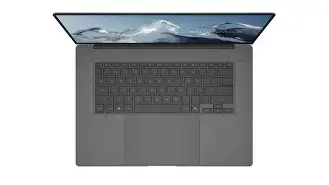
Don't Buy Until You Read This: Asus Zenbook A16 vs Asus Zenbook A14 A16 2026
Asus refreshed its Zenbook lineup for 2026 with two headline contenders aimed at thin-and-light buyers who want more screen real estate or the absolute portability of a 14-inch chassis. The Zenbook A16 targets creators and multitaskers who value a larger display and comfortable thermal headroom; the Zenbook A14 A16 2026 line (hereafter "A14/A16 2026") represents a family refresh offering a 14-inch model and an updated 16-inch sibling that emphasize balanced performance and portability. Both lineups share Asus’s focus on premium materials, long battery life, and modern I/O, but they are targeted at different priorities.
Introduction: who this article is for
This article is written for readers considering a Zenbook purchase in 2026 and trying to decide between the larger-screen Zenbook A16 and the refreshed Zenbook A14/A16 series. It is not a spec sheet; rather, it explains how each machine performs in real-world scenarios—remote work, travel, creative workflows, light gaming, and long conference days—and offers practical buying guidance. The goal is to highlight trade-offs so the reader can match a laptop to their actual needs.
What buyers typically care about
When people compare thin-and-light laptops the questions are often the same: How good is the screen for content and productivity? Does the battery last through a workday? Is the keyboard comfortable for long typing sessions? How loud and hot does the laptop get under sustained load? Are there enough ports for a portable workstation? How future-proof is the configuration in terms of RAM and storage? This article walks through those concerns and shows where each Zenbook shines or compromises.
Detailed product analysis
Asus Zenbook A16 — the 16-inch productivity-first option
The Zenbook A16 positions itself as a productivity and content-creation workhorse in a relatively thin chassis. Its larger footprint allows for a more generous display and, in many configurations, slightly better thermals than 14-inch competitors. For users who frequently run multiple browser tabs, virtual meetings, and an editor or creative app side-by-side, the extra screen space matters. The A16’s hinge and chassis are designed to feel stable on a lap while providing a spacious keyboard and trackpad layout.
Display: The A16 typically offers high-quality panel options tuned for accurate color and contrast—valuable for photo and video editing. Higher-resolution and higher-color-gamut choices help creators avoid an external monitor for basic color work. The screen size also aids productivity: spreadsheets, timelines, and split-screen arrangements fit more comfortably.
Performance and thermals: Configurations generally include efficient mobile CPUs and, depending on the SKU, discrete or integrated graphics options suitable for light GPU-accelerated tasks. Because of the larger internal volume, the A16 tends to sustain higher turbo clocks for longer than smaller chassis when performing multi-threaded workloads. That translates to fewer thermal throttling interruptions during extended editing or build tasks.
Ports and expandability: The A16 tends to include a fuller complement of ports—at least two USB-C with Thunderbolt or equivalent, USB-A, and HDMI or micro HDMI in some variants—making it easier to connect displays and external drives without a dongle. Storage and RAM options cover typical needs, though most consumer Zenbooks still limit user upgrades after purchase.
Battery life and mobility: Despite the larger screen, Asus’s power-management tuning often delivers competitive battery life by pairing efficient processors with moderate panel brightness and adaptive refresh. The trade-off is slightly higher weight and a larger footprint in a bag compared to a 14-inch device.
Discover deals on Laptops & Computers — updated daily.
Shop Amazon →Asus Zenbook A14 / A16 2026 — the refreshed compact family
The Zenbook A14/A16 2026 refresh centers on delivering the best mix of portability and capability. The A14 is the quintessential travel laptop: light, compact, and easy to carry while still offering a bright, sharp display. The updated A16 in this family narrows the gap between pure ultraportables and full-blown productivity laptops by offering a 16-inch option in a relatively compact chassis.
Design and build: Asus continues to use metal or high-grade aluminum for the lid and a refined hinge design to minimize flex. The A14’s smaller chassis focuses on weight savings without sacrificing keyboard travel; the A16 2026 sibling seeks to balance screen size with portability, often trimming bezels to keep the footprint reasonable.
Display and multimedia: The A14 is ideal for single-window work, reading, and streaming; its smaller screen makes it less ideal for side-by-side editing but better for one-handed portability. The A16 2026 variant, while still in the “thin-and-light” category, offers a step up in usable workspace and often the same panel quality as its larger Zenbook A16 cousin.
Performance and battery: The A14 shines when paired with efficient processors that extend battery life—good for full-day meetings and travel. The A16 2026 can be configured with higher-power parts for users needing bursts of performance while still maintaining decent battery life in light use.
User experience: Both sizes in the 2026 family place emphasis on quiet fans, comfortable keyboards, and tuned audio for calls. They are well-suited to students, frequent flyers, and professionals who prioritize a dependable daily driver that can also handle occasional creative work.
Pros & cons
Asus Zenbook A16 — pros
- Large, comfortable display that helps productivity and creative tasks without always requiring an external monitor.
- Better sustained performance compared with smaller chassis thanks to more headroom for cooling.
- More flexible port selection reduces the need for dongles during desktop-like use.
- Spacious keyboard and trackpad for long typing sessions and comfortable ergonomics.
Asus Zenbook A16 — cons
- Less portable than 14-inch ultraportables; heavier and larger footprint in a bag.
- Higher entry price for configurations with premium displays or discrete graphics.
- Not a desktop replacement for demanding 3D work or heavy video rendering that requires a full-power GPU.
Asus Zenbook A14 / A16 2026 — pros
- Excellent portability with light weight and compact sizes, ideal for frequent travel.
- Good battery life when configured with efficient CPUs and optimized display settings.
- Refined chassis that balances build quality with low weight.
- Versatile configurations suitable for students, office workers, and light creators.
Asus Zenbook A14 / A16 2026 — cons
- Smaller screen (A14) limits productivity for users who routinely use side-by-side windows.
- Thermals can be tighter on the 14-inch model under prolonged heavy workloads.
- Upgradability is generally limited after purchase; choose RAM and storage wisely at checkout.
Side-by-side comparison
| Characteristic | Zenbook A16 | Zenbook A14 / A16 2026 |
|---|---|---|
| Target user | Creators, multitaskers, users who prefer a bigger screen for productivity | Travelers, students, professionals wanting a balance of portability and capability |
| Screen sizes | 16-inch class with high-quality panel options | 14-inch (A14) and compact 16-inch (A16 2026) options |
| Performance | Better sustained performance under load | Balanced performance; efficient CPUs for battery life, bursty performance on larger sibling |
| Ports | More generous port selection on typical configurations | Balanced set of modern ports, may require a dongle for legacy devices |
| Battery life | Competitive for a 16-inch laptop; depends on panel and CPU | Generally better for A14 due to smaller panel; A16 2026 close to A16 when optimized |
| Portability | Less portable; heavier and larger | A14 is very portable; A16 2026 is a middle ground |
| Price | Tends to start higher, especially with premium display options | More tiered pricing; entry-level A14 models are more affordable |
Real-world use cases and recommendations
For the frequent traveler and commuter
If the laptop spends most of its life in a bag, on trains, and in cafés, the Zenbook A14 is the safer bet. It weighs less, fits smaller bags, and is less intrusive on cramped airline trays. Performance is perfectly adequate for document work, video calls, light photo edits, and coding tasks. Choose higher RAM if the user often runs virtual machines or many browser tabs.

For the hybrid worker and multitasker
The Zenbook A16 provides a better on-device multitasking environment. Split windows, video conferencing, and editing documents or slides work more comfortably on the larger screen. If the user occasionally needs higher sustained CPU performance for compiling code or rendering short videos, the A16’s thermal headroom will be an advantage.
For creative students and hobbyists
Both families work well for students. The A14 favors portability and battery life between classes, while the A16 line offers a more comfortable editing and review experience for creative assignments. Prioritize a color-accurate display for photo and video tasks and at least 16 GB of RAM for comfortable multitasking.
Find top-rated Laptops & Computers products at great prices.
Shop Amazon →For light gaming and casual content creation
Neither Zenbook line is intended as a gaming-first machine, but configurations with discrete graphics or higher-powered integrated GPUs will handle indie games and GPU-accelerated editing tasks. Expect modest frame rates at medium settings; a desktop or dedicated gaming laptop is still the better choice for sustained high-FPS gaming or GPU-heavy rendering.
Buying guide: what to choose and why
When choosing between the Zenbook A16 and the A14/A16 2026 family, consider the following checklist. Each item is framed in terms of a practical question to ask before purchase.
- How portable must the laptop be? If daily carry is a priority, favor the A14. If it will often sit on a desk where screen size matters more, favor the A16.
- How much screen real estate is necessary? Choose A16 for frequent split-screen workflows, spreadsheets, or timeline editing; A14 if single-window or lightweight multitasking is the norm.
- What performance profile is needed? For sustained multi-core workloads, the larger A16 chassis generally sustains higher clocks and better performance. For bursty tasks and longer battery life, the A14 with an efficient CPU excels.
- How important is color accuracy? Creators should prioritize models with higher color gamut and factory calibration. If critical color work is frequent, confirm the panel specs before buying.
- How many ports are required? If the user often docks multiple external displays or peripherals without a dock, choose the model with more and varied ports.
- What RAM and storage to choose? Aim for at least 16 GB of RAM for smooth multitasking; choose 32 GB if running VMs or heavy creative apps. For storage, 1 TB is a comfortable starting point for media workflows; SSD performance matters for responsiveness.
- How long should it last? Check warranty and service options. If the laptop will see a lot of travel and daily use, consider extended warranty or accidental damage coverage where available.
Recommended configurations by user type
- Student / Office worker: A14 with 16 GB RAM, 512 GB SSD, efficient CPU. Prioritize battery life and a comfortable keyboard.
- Hybrid professional / Content reviewer: A16 with a high-quality 16-inch panel, 16–32 GB RAM, 1 TB SSD. Prioritize screen quality and ports.
- Light creative pro: A16 with color-accurate display option, discrete GPU if available, 32 GB RAM, 1 TB+ SSD. Prioritize thermal headroom and panel calibration.
- Frequent traveler who edits on the go: A16 2026 (compact 16-inch) with efficient CPU, 32 GB RAM if required, and high-capacity SSD—if the larger screen outweighs the extra weight for the user.
Final considerations before purchase
Buyers should confirm the exact panel type, RAM, and storage options before buying because Zenbook SKUs are often highly configurable and certain desirable options (like a high-refresh, high-color-gamut OLED) may only be available on mid-to-high-tier models. Also, check for features such as an IR webcam for fast logins, Wi-Fi 6E or newer for better connectivity, and a comfortable keyboard — all features that influence day-to-day satisfaction more than ephemeral benchmark numbers.
It is also worth noting that warranty and local service availability can influence long-term ownership experience. If the user relies on a laptop for daily professional work, investing in a model with solid service coverage is often worth the extra initial spend.
Conclusion
The choice between the Asus Zenbook A16 and the Zenbook A14/A16 2026 family comes down to a single question: does the user value portability above all else, or does a larger, more capable on-device workspace justify extra weight? The Zenbook A14 is an excellent choice for those who prioritize travel, battery life, and minimal footprint. The Zenbook A16 rewards users who spend more time working on-device, need extra screen space, and occasionally push the machine harder. The 2026 A16 variant in the refreshed family provides a middle ground—offering much of the larger-screen benefit while keeping an eye on portability.
Read configuration details carefully, prioritize the specs that match real daily workflows (display quality, RAM, and battery life), and choose the model that aligns with how the laptop will be used most of the time rather than based on headline specs alone. With thoughtful selection, either Zenbook can be a compelling companion—what matters is matching the machine to the user’s life.