The Ultimate Setup Guide for Your The Smart Oven Air Fryer Compact
The Smart Oven Air Fryer Compact combines multiple countertop cooking functions into a single appliance: convection baking, roasting, broiling, and air frying. For home cooks who want to save counter space while expanding meal options, this sort of compact, multifunction oven can be transformative. This guide walks through practical setup, everyday use cases, configuration tips, and buying considerations so owners get reliable performance from the first plug-in to everyday meals.
Introduction
Multifunction countertop ovens have become a staple in kitchens where space, efficiency, and versatility matter. The Smart Oven Air Fryer Compact appeals to buyers who want the crisp finish of an air fryer, the even heat of a convection oven, and a compact footprint suitable for apartments, dorms, or secondary kitchen stations. Rather than a high-level sales overview, this article focuses on actionable setup steps, real-world use scenarios, performance expectations, and what buyers should consider before making the purchase.
Why this appliance matters
Home cooks typically care about several things: countertop space, how much food can be cooked in a single batch, energy efficiency, ease of cleaning, and how well the unit handles both frozen convenience foods and fresh ingredients. The Smart Oven Air Fryer Compact is designed to address those concerns by offering a mid-sized cooking cavity with concentrated airflow to achieve crisping with less oil. When set up and used properly, it can replace multiple devices and speed up weeknight dinners.
Unboxing and initial inspection
When unpacking the Smart Oven Air Fryer Compact, treat it like any kitchen appliance that will sit on a work surface. A quick checklist makes the setup smoother:
- Inspect the exterior carton and appliance for shipping damage.
- Confirm included accessories: racks, air fry basket or tray, crumb tray, drip tray, and a user manual. Keep packaging until setup is complete.
- Read the quick-start section of the manual for model-specific safety notes—especially electrical recommendations and grounding instructions.
- Check for any protective films on the glass or stainless steel and remove them before first use.
Choosing the right location
Placement affects performance, safety, and longevity. The Smart Oven Air Fryer Compact performs best when it has adequate ventilation and is positioned on a stable, heat-resistant surface.
- Allow at least 4–6 inches (10–15 cm) of clearance on all sides unless the manual specifies otherwise. Taller or enclosed cabinets can trap heat and cause premature wear.
- Place the unit away from active stovetop burners and direct water sources such as sinks. Steam and splashes shorten electronic life.
- Consider proximity to the primary food prep area and to a grounded electrical outlet. Avoid extension cords when possible; they can overheat under sustained load.
- If countertop space is limited, designate an accessible storage spot for the accessories so they stay organized and ready.
Electrical requirements and safety
Most compact countertop ovens draw significant current when heating. Before plugging in the appliance, check these points:
- Confirm the outlet is grounded and on a dedicated circuit if possible. Avoid sharing a circuit with high-draw appliances like dishwashers or HVAC equipment.
- Do not use damaged cords or adapters. If the plug is a three-prong grounded plug, do not remove the grounding prong.
- Place the oven on a flat, stable surface to prevent tipping when pulling out racks or trays.
- Keep the cord away from hot surfaces; route it so it does not hang off the countertop where children could pull it.
Initial cleaning and first run
Manufacturers often recommend cleaning before first use to remove dust and manufacturing residues. Follow these steps:
- Remove racks and trays and wash them in warm, soapy water. Dry thoroughly.
- Wipe the interior with a damp cloth and mild detergent. Avoid abrasive cleaners that can remove coatings.
- Replace cleaned accessories and perform an initial “burn‑in” or preheating cycle as instructed—typically an empty run at a medium-high temperature for 10–15 minutes to burn off manufacturing odors.
- Ventilate the kitchen during the first run. A faint smell or light smoke is normal; persistent heavy smoke is not.
Basic controls and configuration
The Smart Oven Air Fryer Compact combines multiple cooking modes and often includes preset programs. Owners should:
- Familiarize themselves with the display and control scheme: mode selector, temperature control, timer, and start/stop buttons. If the model has a dial or touchscreen, brief experimentation with the manual’s examples helps build confidence.
- Check whether the unit offers an internal light for monitoring progress and how to toggle it.
- If the model supports smart features (Wi‑Fi, Bluetooth, or an app), register the device only after completing initial cleaning and the first run. Follow the manufacturer’s privacy and connectivity instructions.
Calibration and real‑world performance tips
Countertop ovens can run slightly hot or cool compared with conventional ovens. A simple oven thermometer helps owners adjust expectations:
- Place a small oven thermometer inside and run a preset or manual cycle at 350°F (175°C). Compare the reading after 10–15 minutes. If the reading is off, note the difference and mentally adjust recipes or cooking time.
- Use the convection/air‑fry mode for foods that benefit from high airflow: fries, breaded foods, roasted vegetables. Use bake mode for cakes and delicate bakes where gentler heat is preferable.
- Rotate trays halfway through for even browning when cooking multiple items or when the basket is crowded.
Accessories and their role
Accessories extend the range of usable recipes and make cleaning easier. Typical useful accessories include:
Discover deals on Electronics — updated daily.
Browse Now →- An air‑fry basket for crispy results with minimal oil.
- A wire rack to raise food and allow airflow for even crisping.
- A baking pan for casseroles and sheet-baked items.
- A drip tray for catching grease during roasting.
Buyers who plan heavy baking will appreciate a flat baking stone or small perforated pans to improve air circulation. Always use accessories rated for the oven's interior dimensions and heat limits.
Cleaning and maintenance
Regular maintenance keeps the Smart Oven Air Fryer Compact performing well:
- Empty and clean the crumb tray after each use to prevent smoke and flare-ups.
- Wipe the interior with a soft cloth and non-abrasive cleaner; avoid submerging the appliance body in water.
- Soak racks and baskets in warm, soapy water to remove baked-on residues. For stubborn spots, a baking soda paste or manufacturer-recommended cleaner works well.
- Check door seals periodically for food buildup which can impair heating efficiency.
Troubleshooting common issues
Some commonly reported situations and simple fixes:
- Uneven cooking: Avoid overcrowding; rotate trays; check that racks are in the correct slots.
- Unit not heating: Ensure the unit is plugged in and the circuit hasn’t tripped. If the control panel is responsive but no heat generated, consult warranty or authorized service—do not attempt internal repairs.
- Excessive smoke: Remove food, switch off, ventilate kitchen, and clean the interior and crumb tray. Avoid fats pooling in the drip tray.
- Strong odors after first use: Run an empty preheat cycle and ventilate; persistent chemical smells may warrant contacting support.
Real‑world use cases
Understanding typical workflows clarifies whether the Smart Oven Air Fryer Compact is right for a household:
- Weeknight family dinners: Quick roasting of vegetables, air frying frozen snacks, and baking small casseroles are strengths. The compact size allows faster preheat than a full-size oven.
- Small households and singles: Perfect for cooking single-portion meals or batch meal prep for 1–2 people without wasting a full oven.
- Apartment living: Less heat load than a full oven and smaller footprint—helpful in tight kitchens.
- Secondary kitchen or hobby cooks: Ideal as a backup oven during holidays or for specialized tasks like dehydrating small batches or crisping toppings.
Pros & Cons
Pros
- Versatile: Combines air frying, convection baking, broiling, and toasting in one unit.
- Compact footprint: Saves counter space while expanding cooking options.
- Energy-efficient for small batches: Uses less energy than heating a full-size oven for small meals.
- Faster preheat: Smaller cavity means shorter preheat times for many recipes.
- Easy cleanup with removable trays and crumb drawer.
Cons
- Limited capacity: Not suitable for large roasts or family-sized sheet pans.
- Learning curve: Cooking times and temperatures may need adjustments compared with conventional ovens.
- Noise: Fans for convection and air frying can be louder than a conventional oven.
- Durability varies: Longevity depends on build quality and how well the unit is maintained.
How the Smart Oven Air Fryer Compact compares
A comparison helps potential buyers weigh alternatives. This table contrasts the Smart Oven Air Fryer Compact with common countertop and built‑in options. Values are qualitative; consult product specifications for exact numbers.
| Feature | The Smart Oven Air Fryer Compact | Full‑Size Countertop Convection Oven | Basket‑Style Air Fryer |
|---|---|---|---|
| Capacity | Medium — suitable for 2–4 servings | Large — can handle full sheet pans | Small — best for 1–3 servings |
| Footprint | Compact — fits most countertops | Bulky — requires more dedicated space | Smallest — minimal counter depth |
| Cooking Modes | Multiple — bake, roast, air fry, broil | Multiple — similar range, often with larger capacity | Single focused — air frying (some with baking presets) |
| Ease of Cleaning | Medium — removable trays, sometimes nonstick | Varies — larger interiors can be harder to maneuver | High — many models have dishwasher-safe baskets |
| Preheat Time | Short — due to smaller cavity | Longer — larger volume to heat | Shortest — rapid air circulation |
| Best for | Families and cooks who want versatility without a large oven | Home bakers and large families | Quick snacks and small portions |
Buying guide: what to prioritize
When choosing the Smart Oven Air Fryer Compact or a similar multifunction device, consider these factors carefully:
1. Internal capacity and rack configuration
Pick a model with enough cavity space to accommodate the typical dishes one plans to cook. Some compact ovens have adjustable rack positions that improve flexibility for different meal types.
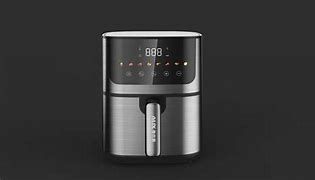
2. Wattage and power requirements
Higher wattage often means faster preheat and higher maximum temperatures. Confirm the household wiring is compatible and avoid sharing circuits with other high-power devices.
3. Cooking modes and presets
Presets are convenient for beginners and for quick operation. However, for more control, ensure the appliance allows manual temperature and time adjustments and supports multiple cooking modes.
Shop the latest Electronics picks on Amazon.
Shop Amazon →4. Ease of cleaning
Look for removable crumb trays, dishwasher-safe baskets, and interior coatings that tolerate a non-abrasive scrub. Stainless steel exteriors can be easier to maintain than painted finishes.
5. Build quality and warranty
Durable build materials, solid door hinges, and reliable controls are worth prioritizing. A clear warranty and accessible customer support are important for longer-term ownership.
6. Accessories and expandability
Check which accessories are included and which are available separately. Perforated and solid pans, pizza stones, and dehydrating racks add versatility.
7. Noise and ventilation
Air frying and convection modes use powerful fans. Read reviews that mention noise level and ensure adequate ventilation in the planned installation spot.
8. Price and total cost of ownership
Balance upfront cost with expected longevity, replacement parts availability, and warranty coverage. A well-built model can save money over time compared with frequently replaced lower-cost units.
Recipes and settings primer
Here are a few sample uses with general guidance — adapt times and temperatures based on appliance behavior and recipe size:
- Frozen fries and snacks: Air fry mode, moderate-high temperature, shake or flip halfway. Results in crispy exterior with less oil than deep frying.
- Roasted vegetables: Convection roast at medium-high heat for caramelized edges; toss with oil and space evenly on the rack.
- Sheet-baked goods: Use bake mode and avoid air-fry setting; use the middle rack for even rising.
- Reheating pizza: Short convection cycle restores crisp crust better than the microwave.
Final tips for long-term satisfaction
- Keep a small notebook or notes app with “model-specific” adjustments for common foods—this avoids repeating trial-and-error.
- Schedule a monthly deep clean: remove racks, clean crevices, and check seals and handles.
- Replace non-working parts like crumb trays or baskets with official parts where possible to avoid fitment issues.
- Use silicone or parchment accessories rated for high heat to reduce sticking and cleanup time, but avoid covering vents or blocking airflow.
Conclusion
The Smart Oven Air Fryer Compact is a compelling option for cooks who need versatility in a small footprint. When set up correctly—positioned with proper clearance, plugged into an appropriate outlet, and cleaned before first use—it delivers faster preheat times, efficient small-batch cooking, and crisp air-fried results that many households value. Buyers should weigh capacity against kitchen space, prioritize build quality and cleaning convenience, and account for the modest learning curve when converting traditional oven recipes. With a careful initial setup and a few practical habits—rotation during cooking, routine cleaning, and calibration with an oven thermometer—this appliance can reliably expand daily cooking options without overwhelming the kitchen.