The Ultimate Showdown: Boya Magic vs Om System Om 5 Ii for 2026
Introduction
Choosing kit for modern content creation often comes down to two broad needs: compelling visuals and clean, reliable audio. In 2026, the Boya Magic and the OM System OM‑5 II represent two different but commonly paired pieces of kit — one primarily focused on audio capture, the other on imaging — that frequently appear on shortlists for vloggers, hybrid shooters, and travel photographers. This article compares each product on practical, buyer-focused criteria and helps readers understand which one should be prioritized depending on real-world workflows.
Rather than treating this as a like‑for‑like technical head‑to‑head (they serve different primary functions), this guide examines strengths, typical use cases, tradeoffs, and how the two perform together as a content‑creation combo. The analysis is grounded in what buyers care about most: reliability, ease of use, portability, integration, and final output quality in the field.
Boya Magic — Detailed Review and Analysis
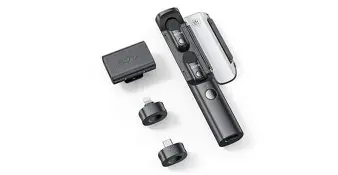
The Boya Magic is positioned as a compact, user‑friendly audio solution aimed at creators who need better sound than built‑in camera mics can provide, without the complexity of a full field recorder rig. It is common to find Boya products marketed toward vloggers, social creators, and run‑and‑gun interviewers because they balance price, portability, and performance.
Design and Ergonomics
In the field, simplicity matters. The Boya Magic typically emphasizes plug‑and‑play operation, compact transmitters and receivers, and easy mounting options for cameras, phones, and small rigs. Its lightweight form factor makes it ideal for handheld setups and pocketable vlogging kits.
Audio Performance in Real Use
For short interviews, talking‑head vlogs, and street reporting, the Boya Magic improves clarity and presence compared to onboard camera microphones. Buyers should expect better voice intelligibility and reduced room reflection, especially when used as a lavalier or close‑mic solution. Like most compact wireless systems, its performance is strongest when the transmitter is consistently positioned and when wind protection and simple gain staging are used.
Compatibility and Workflow
One of Boya’s pragmatic advantages is broad compatibility — many systems can connect directly to phones, cameras, or lightweight recorders, with adapters available for TRS/TRRS configurations. This flexibility makes Boya Magic attractive to creators who switch between mobile and mirrorless setups.
Battery and Reliability
Battery life is typically designed around a day of shooting for most short‑form workflows; however, buyers shooting long events should plan for spare batteries or a power bank. Robustness under continuous use and consistent wireless range are the two real reliability metrics to watch when evaluating any compact wireless mic.
Typical Use Cases
- Solo vloggers who need quick, reliable voice capture while moving.
- Interviewers conducting man‑on‑the‑street segments where portability is critical.
- Mobile journalists who switch between smartphone and camera workflows.
- Podcasters or short‑form creators on a budget seeking immediate audio improvement.
Pros & Cons
- Pros: Lightweight and portable; straightforward setup; good value for voice capture; flexible compatibility with phone and camera; often includes useful accessories like lav cables and windshields.
- Cons: Not a substitute for higher‑end wireless systems in noisy environments; limited advanced features (multi‑channel mixing, pro codecs) compared with standalone recorders; wireless reliability can be environment dependent.
OM System OM‑5 II — Detailed Review and Analysis
The OM System OM‑5 II sits in the mirrorless, hybrid enthusiast/prosumer space and targets photographers and video creators who value portability without sacrificing image versatility. As an evolution of OM System’s compact, stabilized bodies, the OM‑5 II emphasizes in‑body image stabilization, weather sealing, and extensive lens options through the Micro Four Thirds ecosystem.
Design and Ergonomics
OM System bodies are known for compact, comfortable handling, which is a real advantage on long travel days. A well‑designed grip, robust control layout, and a tilting or vari‑angle screen make the body effective for handheld video and for photographers who frequently shoot off‑axis. Buyers who travel or shoot in mixed light appreciate durable construction and weather protection.
Discover deals on Cameras & Photography — updated daily.
Browse Now →Image and Video Capabilities
For hybrid shooters, the camera’s imaging pipeline and stabilization performance are core strengths. In practice, that means steady handheld video, improved low‑light stills through stabilization‑assisted exposures, and a lens ecosystem that covers wide to telephoto needs without excessive bulk. Video features such as high‑resolution capture, usable frame rates, and picture profiles for grading are important, but the true benefit for many users is the camera’s ability to pair with compact lenses and still deliver cinematic motion with minimal rigging.
Connectivity and Audio Integration
Unlike dedicated audio devices, cameras like the OM‑5 II provide a hot shoe, microphone input, and USB audio options that allow easy use with external microphones (such as the Boya Magic). For creators prioritizing on‑camera sound, this integration simplifies workflow: the microphone connects directly, and audio can be monitored through the camera’s headphone jack or via the connected recorder.
Battery Life and Practical Shooting Considerations
Battery life for mirrorless bodies often depends on the use of EVF, LCD, and stabilization. Creators who rely on extended video capture or long field sessions should budget for extra batteries and carry a small charger or USB power solution. The camera’s ergonomics and lens choice also affect total pack weight — an important buying consideration for travel photographers.
Typical Use Cases
- Travel photographers who want a compact, weather‑sealed system with strong stabilization.
- Hybrid content creators who need reliable stills and video without a large rig.
- Landscape and street photographers who value lens flexibility in a small package.
- Vloggers and run‑and‑gun filmmakers who pair the camera with an external mic for better audio.
Pros & Cons
- Pros: Small, capable imaging body with strong stabilization; access to a wide Micro Four Thirds lens lineup; durable build and good ergonomics; practical video features for hybrid creators.
- Cons: Smaller sensor format than full‑frame alternatives, which affects depth of field and extreme low‑light performance; battery life varies with heavy video usage; to achieve professional audio, an external microphone is often necessary.
Comparison Table
| Criteria | Boya Magic | OM System OM‑5 II |
|---|---|---|
| Product type | Compact wireless microphone system / lavalier solution | Mirrorless hybrid camera (Micro Four Thirds) |
| Best for | Improving voice audio for vlogs, interviews, mobile creators | Travel/video hybrid shooting, stabilized handheld video, landscape |
| Primary strength | Clearer, closer voice capture; portability | Stabilized, versatile imaging; lens ecosystem |
| Portability | Very high — pocketable | High — compact body and lenses but heavier than a mic |
| Audio options | Built for audio capture; typically includes lav and transmitter | Mic input and hot shoe; benefits from external mic for best sound |
| Stabilization | Not applicable | Strong in‑body stabilization, helpful for handheld video |
| Ease of use | Designed for simple setup and fast deployment | User friendly for photographers; video features require some familiarity |
| Typical add‑ons | Windscreen, phone mount, spare cables | Extra batteries, lenses, small tripod/gimbal, external audio |
How They Work Together
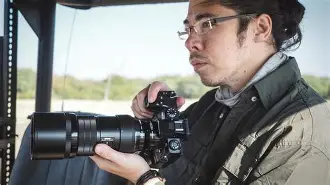
For creators building a compact kit, the Boya Magic and OM‑5 II form a complementary pairing: the camera provides stabilized, high‑quality video while the Boya Magic addresses the common Achilles’ heel of on‑camera sound. When mounted on the OM‑5 II’s hot shoe or attached to a small rig, the Boya Magic (connected via the camera’s mic input or a small mixer/adapter) delivers clearer dialogue for interviews, vlogs, and voiceovers captured on location. This combo is particularly effective for travel storytellers who prioritize lightweight packing without compromising the viewer experience.
Buying Guide — What to Consider in 2026
Choosing between prioritizing an upgraded audio solution (like Boya Magic) or investing in a camera body (like the OM‑5 II) depends on intentions, budget, and existing gear. The following checklist helps buyers make a decision that fits their workflow.
1. Define the primary use case
If most output is video with spoken narrative (vlogs, interviews, how‑tos), clear audio will often improve perceived production value more than marginal improvements in image quality. Conversely, for photography‑first users expanding into video, a capable hybrid camera is foundational.
2. Consider ergonomics and portability
Frequent commuters and travelers should weight packability: a small wireless mic and a compact camera body are both strong choices, but two compact lenses add weight. For one‑person shoots where packing light is essential, prioritize the items that will most directly impact the final viewer experience (audio for talking‑head, image stabilization for motion‑heavy shots).
3. Check compatibility
Confirm connection standards — whether the microphone uses TRS, TRRS, or digital USB output — and match these to the camera’s input. Many modern cameras accept plug‑in mics via the 3.5mm jack or capture USB audio; adapters or small audio interfaces are often necessary for clean results.
4. Plan for power and spares
Assess how long each device runs under typical use and pack spares (batteries, power banks, chargers). For all‑day shoots, a second battery for the camera and a small battery bank for mics or wireless receivers are common, inexpensive insurance policies.
Shop the latest Cameras & Photography picks on Amazon.
See Deals →5. Accessorize wisely
Accessories deliver practical gains more than marginally better gear. A quality windscreen, a compact tripod, extra SD cards, and a protective case increase reliability and reduce lost shots. For audio, invest in a proper wind muff and a short coiled cable so the transmitter can sit comfortably on a belt or in a pocket.
6. Prioritize monitoring
Real‑time audio monitoring prevents surprises. A camera with a headphone jack or a wireless system with headphone monitoring allows checks while recording. For one‑person crews, this is essential to catch clip gain, noise, or interference before moving on.
7. Budget allocation
Decide whether to allocate budget to a camera body (and lenses) or to audio. A practical rule of thumb: if image quality is adequate for the intended platform, improving audio often yields a bigger perceptual upgrade for typical viewers. For creators on a strict budget, a modest camera plus a strong audio upgrade frequently beats a high‑end camera with poor sound.
8. Future‑proofing and ecosystem
Consider lens availability, mount stability, and accessory ecosystems. Cameras that belong to larger lens ecosystems offer more long‑term flexibility. On the audio side, choose systems that support firmware updates, replaceable accessories, and clear upgrade paths as needs grow.
Practical Recommendations by Use Case
Below are straightforward recommendations based on common scenarios encountered by buyers in 2026:
- Daily vlogger / solo creator: Prioritize a compact wireless audio system like the Boya Magic to improve immediate viewer experience; pair with a lightweight body such as the OM‑5 II if video upgrade is also needed.
- Travel photographer expanding into video: Invest first in the camera body and a quality stabilized lens (OM‑5 II as a strong foundation); add a Boya microphone later to solve audio needs.
- Interview and event work: Opt for robust audio solutions first — wireless mic systems and backup recording — then pair with a stable hybrid camera to capture visuals.
- Low‑budget starter kit: A modest mirrorless camera and a small external mic will outperform a better body with onboard audio; balance the budget across both categories.
Conclusion
In the 2026 content ecosystem, the right choice between emphasizing an audio upgrade like the Boya Magic or investing in an imaging body like the OM System OM‑5 II depends on what problem the buyer is trying to solve. For creators whose primary challenge is intelligible, consistent voice capture (vlogs, interviews, mobile journalism), a compact wireless mic offers immediate and measurable improvement. For photographers and hybrid shooters seeking a compact, stabilized platform to improve visuals across photo and video, the OM‑5 II provides a flexible foundation with a mature lens ecosystem.
Most creators will ultimately benefit from both: the OM‑5 II for its imaging and stabilization strengths, with a Boya Magic (or similar external microphone) to ensure the audio matches the visual quality. Thinking in terms of workflow, compatibility, and real‑world use will guide the smart purchase: invest where the bottleneck lives today — that is the key to better content with less fuss.