The Ultimate Showdown: Sony Fe 50 150Mm F2 Gm vs Fujifilm Instax Mini 41 for 2026
Introduction
2026 brings photographers an interesting contrast: a high-performance, professional-grade telezoom in the Sony FE 50–150mm F2 G Master and the playful, analog-first Fujifilm Instax Mini 41. On paper these two products could not be more different—one is designed to be part of a mirrorless system for demanding image-makers, the other is an instant-film camera for tactile creativity and quick prints. Yet both can fit into a modern photographer’s toolkit depending on intent, style, and lifestyle.
This article breaks down what each product does best, explores real-world use cases buyers typically care about, compares key attributes in a clear table, and finishes with a practical buying guide to help decide which one belongs in a bag for 2026. The goal is an objective editorial perspective: who benefits from each product, what trade-offs to expect, and how to make a choice that fits actual shooting scenarios.
Product analysis and detailed review
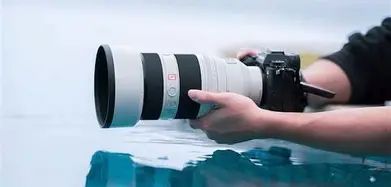
Sony FE 50–150mm F2 G Master — What it brings to a modern kit
The Sony FE 50–150mm F2 G Master (hereafter “Sony 50–150mm F2 GM”) is positioned as a premium telephoto zoom aimed at professionals and advanced enthusiasts who demand wide aperture performance across a versatile focal range. Its defining characteristic is the constant f/2 maximum aperture throughout the zoom range, which changes how a telezoom is used compared with slower zooms or primes.
Real-world strengths:
- Low-light and shallow depth of field: The f/2 aperture enables subject isolation and allows for faster shutter speeds indoors or in available light without pushing ISO excessively.
- Portraits and event work: The focal range is ideal for head-to-waist to full-body portraits at tighter backgrounds as well as for creating subject separation in crowded environments like weddings or corporate events.
- Sports and reportage: The combination of reach and bright aperture aids in freezing motion and separating subjects from busy backgrounds during fast-moving action.
- Build and handling: Typical G Master design emphasizes durable construction, tactile controls, and weather resistance—qualities that matter for frequent, professional use.
Considerations and trade-offs:

- Size and weight: Bright telezooms with large glass elements are dense and can be front‑heavy on smaller bodies. Expect a lens that shifts the balance of a lightweight mirrorless rig toward a more substantial kit.
- Cost: Lenses with constant f/2 apertures and premium optics carry a premium price. Buyers should expect to invest significantly compared with standard telezooms or primes.
- Optical vs body stabilization: Many modern Sony mirrorless bodies include in-body image stabilization (IBIS). The value of lens-based stabilization must be weighed against the camera body capabilities and intended shooting style.
Fujifilm Instax Mini 41 — Instant prints for social, travel, and creative projects
The Fujifilm Instax Mini 41 occupies the opposite end of the photographic spectrum: an easy-to-use instant camera built around hands-on, immediate prints. It favors simplicity and fun, prioritizing experience over technical control.
Real-world strengths:
Shop the latest Cameras & Photography picks on Amazon.
Shop Amazon →- Instant, tangible output: The core appeal is a finished physical print seconds after capture, making it ideal for parties, travel journaling, and events where guests want a keepsake.
- Simplicity and accessibility: Automatic exposure, fixed or simple focus modes, and minimal menus mean anyone can pick it up and get results—this is valuable for group contexts and casual photographers.
- Compactness and portability: Small footprint and light weight make it easy to slip into a bag or carry for day trips.
- Creative analog aesthetic: Instax film has a distinctive look—saturated colors, unique contrast, and square-ish framing—that many buyers seek for mood and nostalgia.
Considerations and trade-offs:
- Limited image control: Instant cameras trade manual control for immediacy. Professionals will find limited options for exposure shaping, focus precision, or lens interchangeability.
- Ongoing film cost: Each print requires film, which adds a recurring cost and logistical consideration for extended use.
- Image fidelity: Film grain, contrast, and saturation are part of the charm, but they are not substitutes for high-resolution digital capture when detail or archival quality are priorities.
Pros & Cons
Sony FE 50–150mm F2 G Master
- Pros: Exceptional low-light capability; strong subject separation; professional-grade build; versatile focal range for portraits and mid-telephoto work; typically excellent autofocus performance on compatible Sony bodies.
- Cons: Size and weight make it less convenient for travel or casual carry; higher price point; may require complementary stabilization strategy for handholding at slower shutter speeds.
Fujifilm Instax Mini 41
- Pros: Instant, tactile prints that encourage in-person sharing; extremely simple operation; compact and lightweight; uniquely charming film aesthetic; great for social situations and creative projects.
- Cons: Limited exposure and focus control; per-shot film cost; lower image detail and dynamic range compared with digital mirrorless systems; fixed lens and non-expandable system.
Side-by-side comparison
The following table highlights the most relevant practical differences. It focuses on attributes that influence buying decisions rather than exhaustive technical minutiae.
| Attribute | Sony FE 50–150mm F2 G Master | Fujifilm Instax Mini 41 |
|---|---|---|
| Product type | Full-frame telephoto zoom lens (E-mount) | Instant-film point-and-shoot camera |
| Primary use | Portraits, events, sports, editorial, low-light telephoto work | Parties, travel journaling, instant mementos, creative analog projects |
| Focal length | 50–150mm (versatile mid-telephoto range) | Fixed wide-ish lens optimized for instant framing |
| Maximum aperture | Constant f/2 (wide and shallow DOF options) | Small aperture typical of point-and-shoot instant cameras |
| Format compatibility | Full-frame & APS-C Sony E-mount bodies | Instax Mini film (physical prints) |
| Autofocus | Fast, camera-integrated AF (on compatible bodies) | Simple fixed-focus or limited focus range |
| Stabilization | Depends on lens design and/or body IBIS; pairing with IBIS bodies recommended | No image stabilization; short exposures and flash are typical |
| Portability | Moderate to heavy—best with dedicated bags or shoulder straps | Very portable—small and pocketable with minimal gear |
| Running costs | One-time lens purchase; possible accessories (filters, caps, service) | Recurring film costs and occasional batteries |
| Who it's for | Professionals and serious enthusiasts who need telephoto speed and image control | Casual users, hobbyists, and creative users who value instant physical prints |
Real-world use cases
When the Sony 50–150mm F2 GM shines
A wedding photographer who needs flexibility will appreciate the reach and the ability to isolate subjects during receptions and ceremony transitions. The constant f/2 lets the shooter maintain faster shutter speeds during dim-reception lighting while keeping a consistent look across focal lengths.
In sports, the lens provides the reach to cover sideline action and the aperture to keep shutter speeds high for motion freezing. Portrait and editorial photographers will exploit the rendering characteristics for creamy bokeh and subject separation, useful for magazine work and client portraits where subject isolation and detail matter.
When to pick the Fujifilm Instax Mini 41
For social events—birthdays, small weddings, or meetups—the Instax Mini 41 functions as a guestbook photographer’s best friend. The instantly deliverable souvenir resonates in environments where a digital file is less meaningful than a printed memento. Travel photographers who keep a visual diary may use the Instax for one-off creative pages in travel notebooks or for mixed-media projects where the tactile nature of instant film adds texture.
Families and casual users often choose Instax cameras for their low barrier to entry and the immediate emotional payoff: handing someone a physical photo seconds after the shot is powerful and memorable.
Looking for the best Cameras & Photography deals on Amazon?
Shop Amazon →Buying guide — how to choose between them
Choosing between a high-performance telezoom and an instant camera is less about one being objectively better and more about matching the tool to the intended creative or professional goal. Use the following checklist to guide the decision:
- Define the primary purpose: Does the buyer need high-resolution, flexible image-making for clients, or do they want instant, shareable prints for social occasions and creative play?
- Consider the broader system: The Sony lens requires a compatible E‑mount mirrorless body—if the buyer already has a Sony body with IBIS, the lens will integrate smoothly. The Instax Mini 41 is a self-contained system with ongoing film costs; check film availability and price in the buyer’s region.
- Budget both upfront and ongoing costs: Lenses like the Sony 50–150mm F2 can be a significant investment up front but have no per-shot costs. Instant cameras have lower initial costs but recurring film expenses that add up if used heavily.
- Evaluate portability needs: For travel light, the Instax is unbeatable. For assignments or client work where image quality matters, the Sony lens is designed for those demands, accepting a heavier kit as a trade-off.
- Think about image management: Digital files from the Sony system require storage, backup, and editing workflows. Instax prints are physical from the start; if a digital archive is desired, consider scanning options or hybrid workflows.
- Ergonomics and handling: Test handling in person if possible. A heavy lens on a small body may fatigue a photographer over an event day; conversely, loud shutters and slow processing times of instant film may not suit every social environment.
- Resale and longevity: Premium lenses tend to retain value and can be used across generations of bodies, whereas instant cameras are often seen as disposable lifestyle goods with shorter product cycles.
- Second-hand and package deals: For the lens, consider certified used options, trade-ins, or rental trials before committing. For Instax cameras, watch for film multipacks or special edition bundles that reduce per-shot cost.
Practical tips for buyers and users
- If choosing the Sony lens: Try to test it on the body intended for regular use. Check handling with a battery grip or different neck straps to manage weight. Plan for storage and transport—protective cases and lens padding matter for frequent travel.
- If choosing the Instax Mini 41: Factor in film logistics—where to buy locally and how to store film to avoid temperature damage. Bring spare film packs and batteries to events to avoid running out mid-party.
- Hybrid approaches: Both products can coexist: use the Sony system for client work and the Instax for in-person guest engagement or creative side projects. Photographers who value tactile deliverables often pair a high-quality digital kit with an instant camera for prints to hand out on the spot.
Conclusion
The Sony FE 50–150mm F2 G Master and the Fujifilm Instax Mini 41 answer very different questions for photographers in 2026. The Sony lens is a tool for professionals and serious enthusiasts who need optical performance, control, and flexibility across mid-telephoto ranges—features that matter for paid work and image quality-driven projects. The Fujifilm Instax Mini 41 offers immediacy, shareability, and a tactile experience that digital files do not provide, making it ideal for social contexts, creative play, and analog-first projects.
In practical terms, the decision is rarely an either/or choice based purely on merit. Instead, it comes down to what the buyer values on a daily basis: image quality and control versus spontaneity and physical prints. For those building a versatile creative practice, each product has an appropriate role. For buyers prioritizing professional output and long-term investment in a system, the Sony lens is the clear tool. For those who want instant satisfaction, approachable operation, and prints to hand out, the Instax Mini 41 remains an appealing, low-friction option.
Ultimately, the best choice aligns with shooting habits, budget priorities, and whether the emotional impact of a printed photo or the technical advantages of a fast telezoom matter more to the buyer’s creative goals in 2026.